About
Philippine Schools Overseas
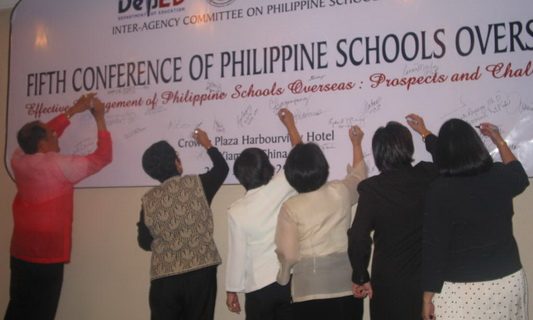
Philippine schools overseas (PSOs) are duly-registered educational institutions operating outside the Philippines and implementing the basic education curriculum of the Department of Education (DepEd). PSOs are required to comply with the requirements and regulations of the government of the Philippines and of the host countries. A valid permit to operate from the host country is required before applying for accreditation from the Philippine DepEd.
News
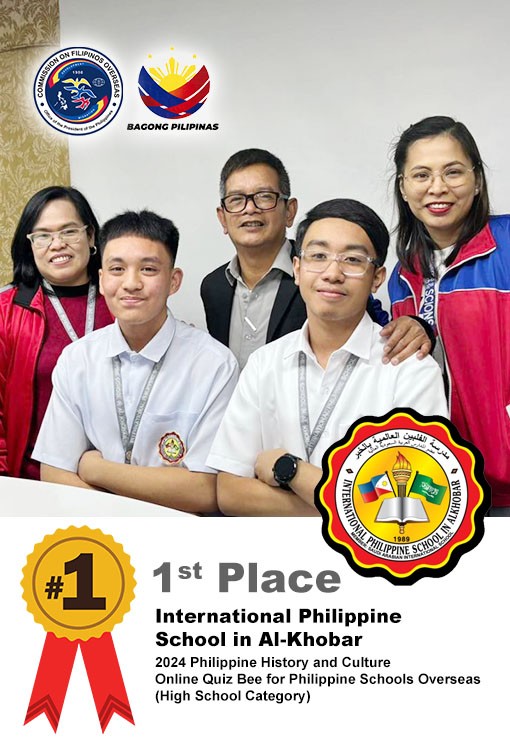
IPSA reaps feat in the CFO’s Philippine History and Culture Online Quiz Bee for Philippine Schools Overseas (High School Category)
Philippine history and culture enthusiasts Gabriel L. Del Mundo and Mikael Jon Ivanovich B. Balag, Grade 9 and Grade 10 students, respectively, of the International Philippine School in Al-Khobar (IPSA)[…]
Read more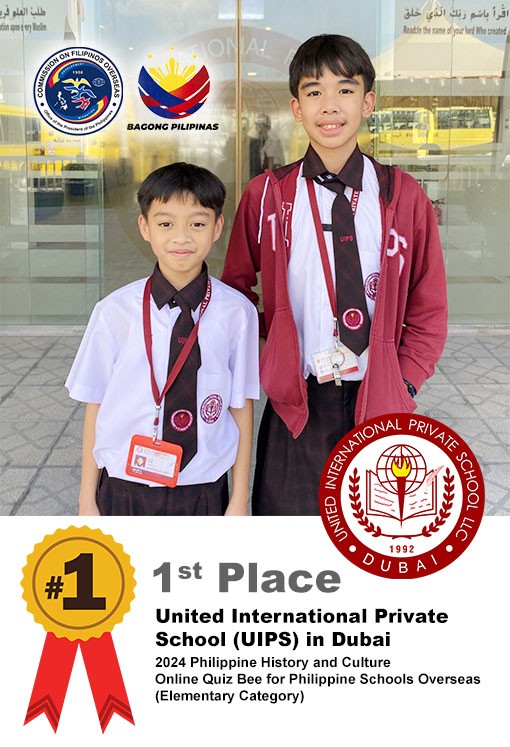
UIPS – Dubai: Champion of CFO’s Philippine History and Culture Online Quiz Bee for Philippine Schools Overseas (Elementary Category)
The United International Private School (UIPS) in Dubai, UAE emerged as Champion in the recently concluded Philippine History and Culture Online Quiz Bee for Philippine Schools Overseas (Elementary Category), organized[…]
Read more
2022 Jingle Making Contest for Philippine Schools Overseas
The Commission on Filipinos Overseas is pleased to announce that the Jingle Making Contest with the theme, “Kabataang Pilipino: Kabalikat sa Pagsulong sa Karapatan at Kapakanan ng mga Overseas[…]
Read more

Inter-Agency Committee on Philippine Schools Overseas (IACPSO)
The IACPSO was established in February 1995 through a Memorandum of Agreement and strengthened through Executive Order No. 252 dated 05 May 2000.

Department of Education
Department of Foreign Affairs
Commission on Filipinos Overseas

Department of Labor and Employment

Overseas Workers Welfare Administration
If you have any news, press releases, documents, links or other information resources related to PSO, send them to us and we will post them to this website.
What IACPSO is offering
It reviews, formulate and adopt or recommend policies and programs to establish and maintain high standards of educational management, and ensure quality of education for Filipino youth overseas consistent with national policy. Specifically, the Inter-Agency Committee undertakes the following:
DEVELOP POLICIES AND GUIDELINES
Develop policies and guidelines in connection with the establishment, operation, management, accreditation and regulation of Philippine schools and educational programs overseas;
DEVELOP A SYSTEM
Develop a system for classifying institutions overseas that provide Philippine-based curriculum and instruction;
CONDUCT STUDIES
Conduct studies on issues and problem areas affecting the operation of Philippine schools overseas
PROVIDE INPUTS TO THE DEPED
Provide inputs to the DepEd, in the development of Philippine schools overseas;
HOLD MEETINGS AND CONSULATIONS
Hold meetings and consultation on a regular basis to ensure the effective and efficient implementation of policies and programs for Philippine schools overseas
CONDUCT SITE VISITS
Conduct site visits and ocular inspections of Philippine schools overseas in furtherance of the objectives of this order
SERVE AS ARBITER
Serve as arbiter in matters regarding Philippine schools overseas which are brought to its attention
Schools
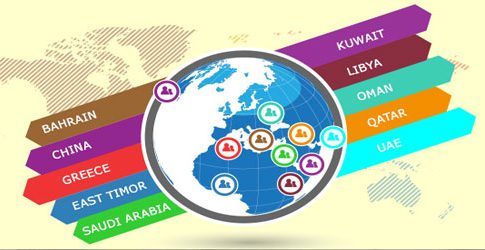
32 Philippine Schools Overseas in 10 countries